
Su Hotel En Santillana del mar
Hotel Museo Los Infantes***
HOTEL EN EL CENTRO DE SANTILLANA. HOTEL EN CANTABRIA.
Día del Libro con David López en en el Hotel Museo Los Infantes
Éste 23 de abril por la mañana y tarde, aquí en Santillana del Mar.
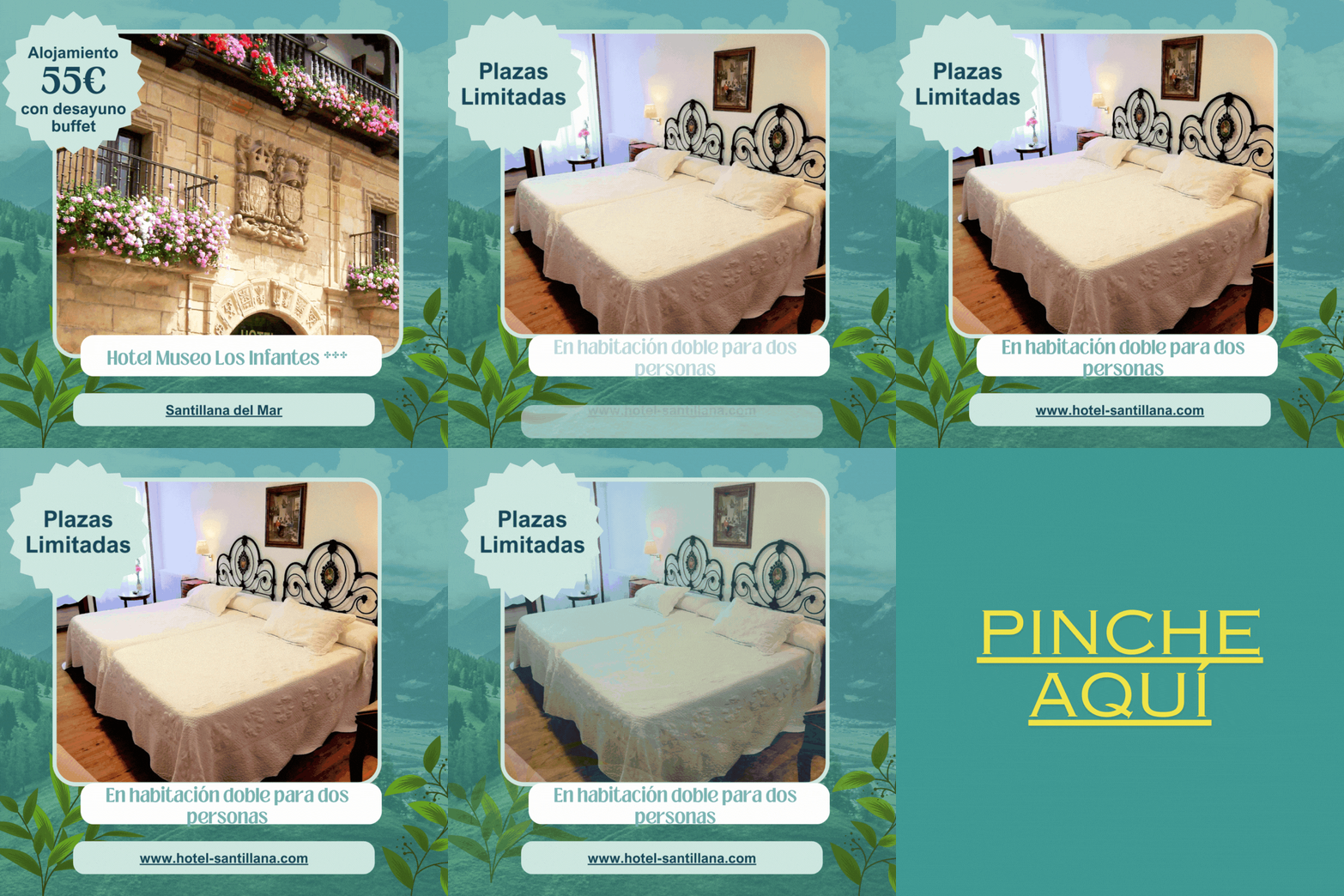
Oferta Primavera en el Hotel Museo Los Infantes, su hotel en Santillana del Mar
Aproveche esta oportunidad y pague el alojamiento para dos personas a 55€ y obtendrá el desayuno GRATIS para las dos personas. Plazas limitadas.
Sobre nOSOTROS
Hotel Museo Los Infantes ***, su hotel en Santillana del Mar
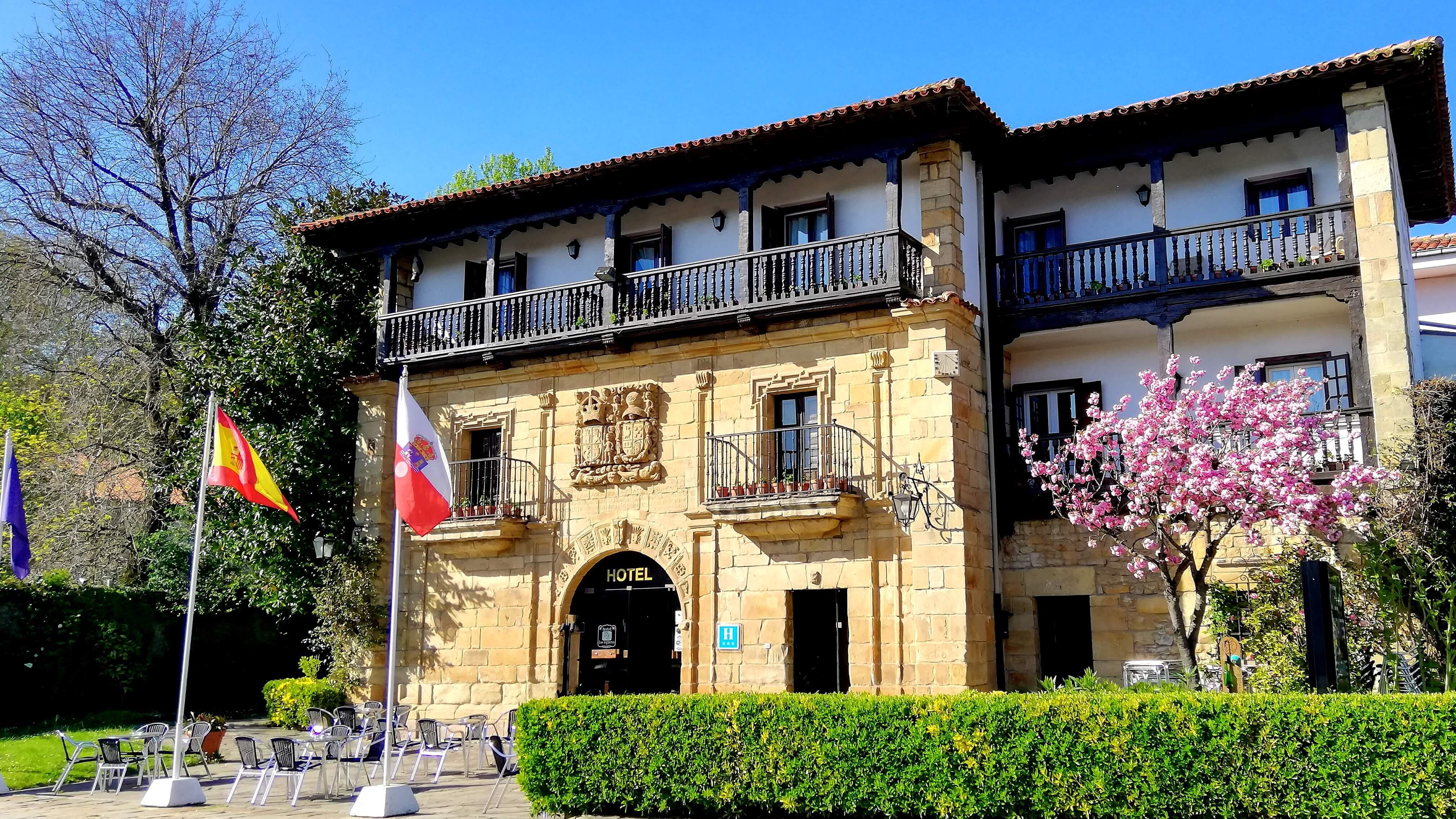
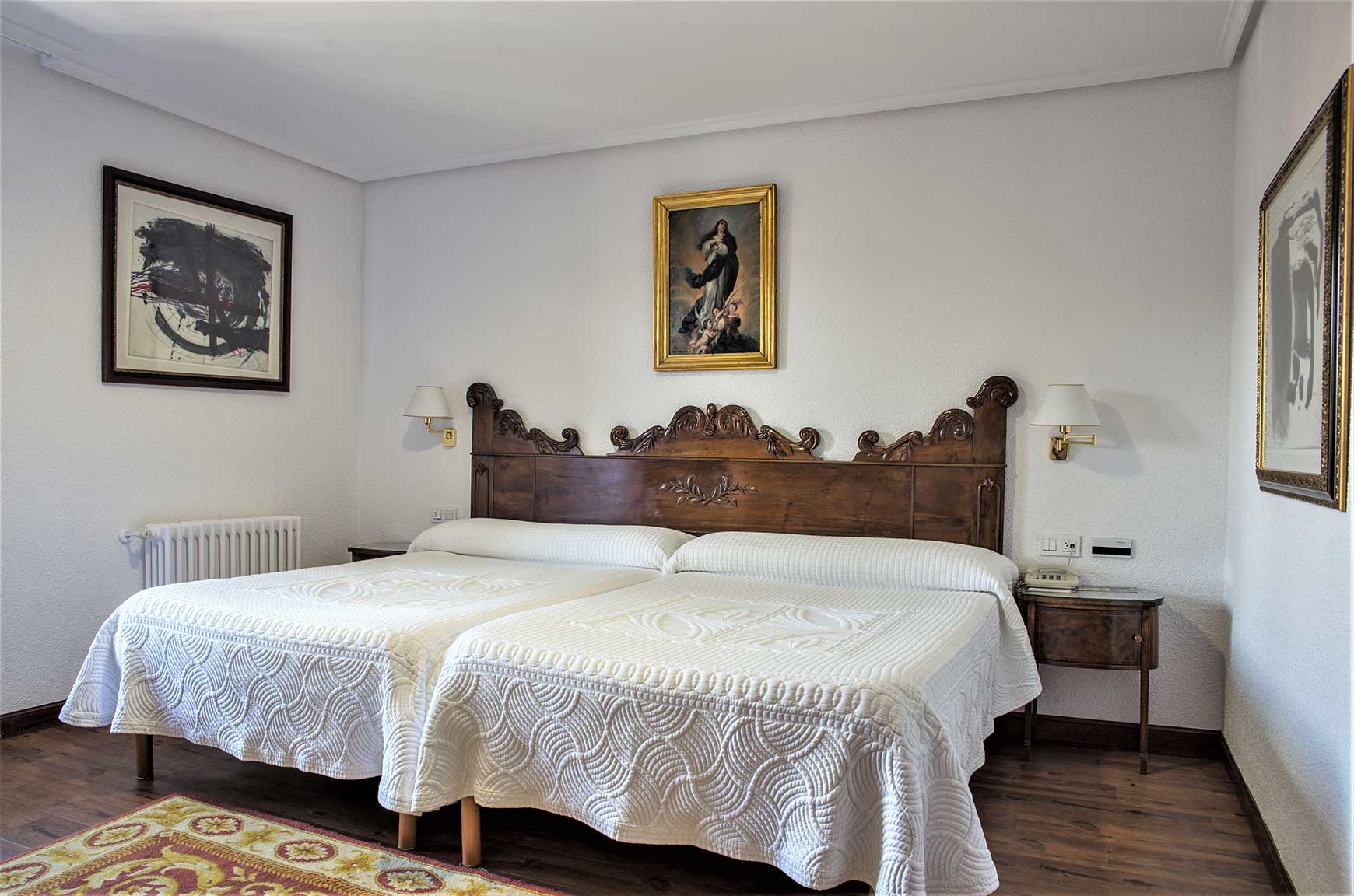
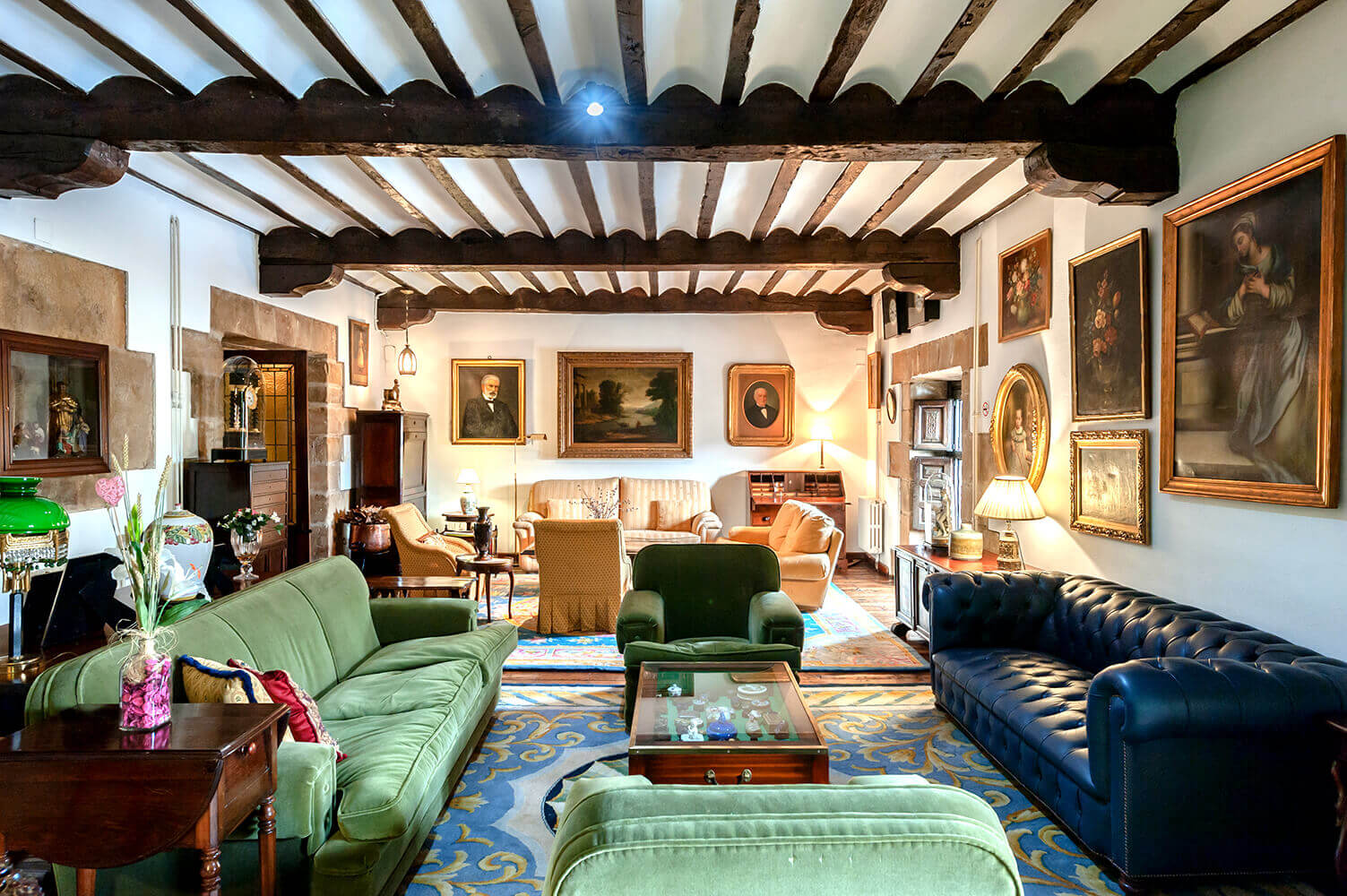
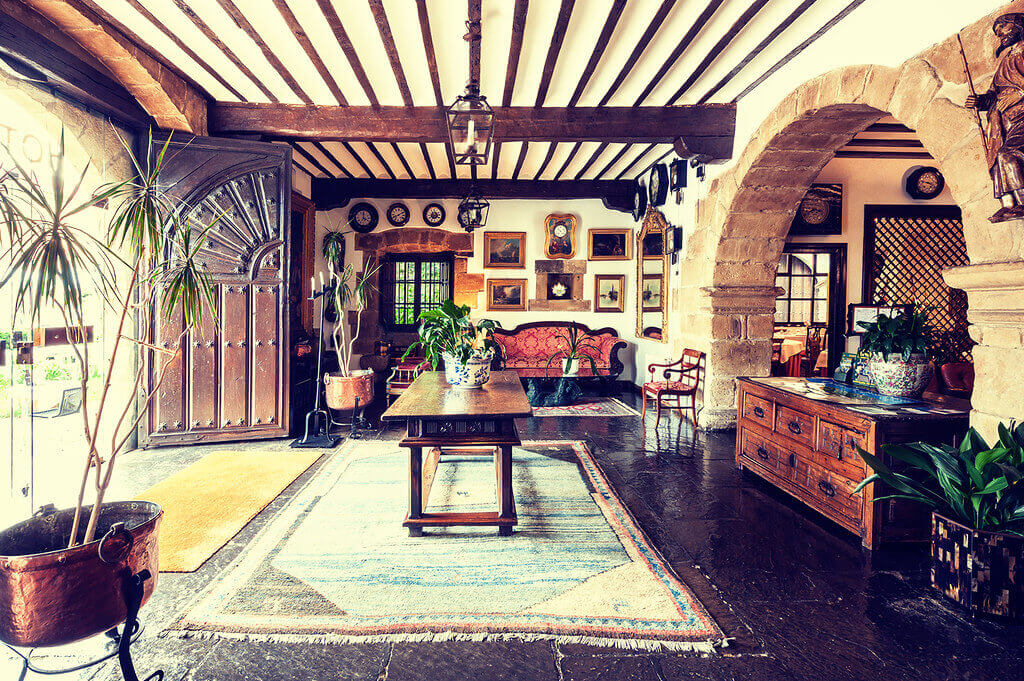
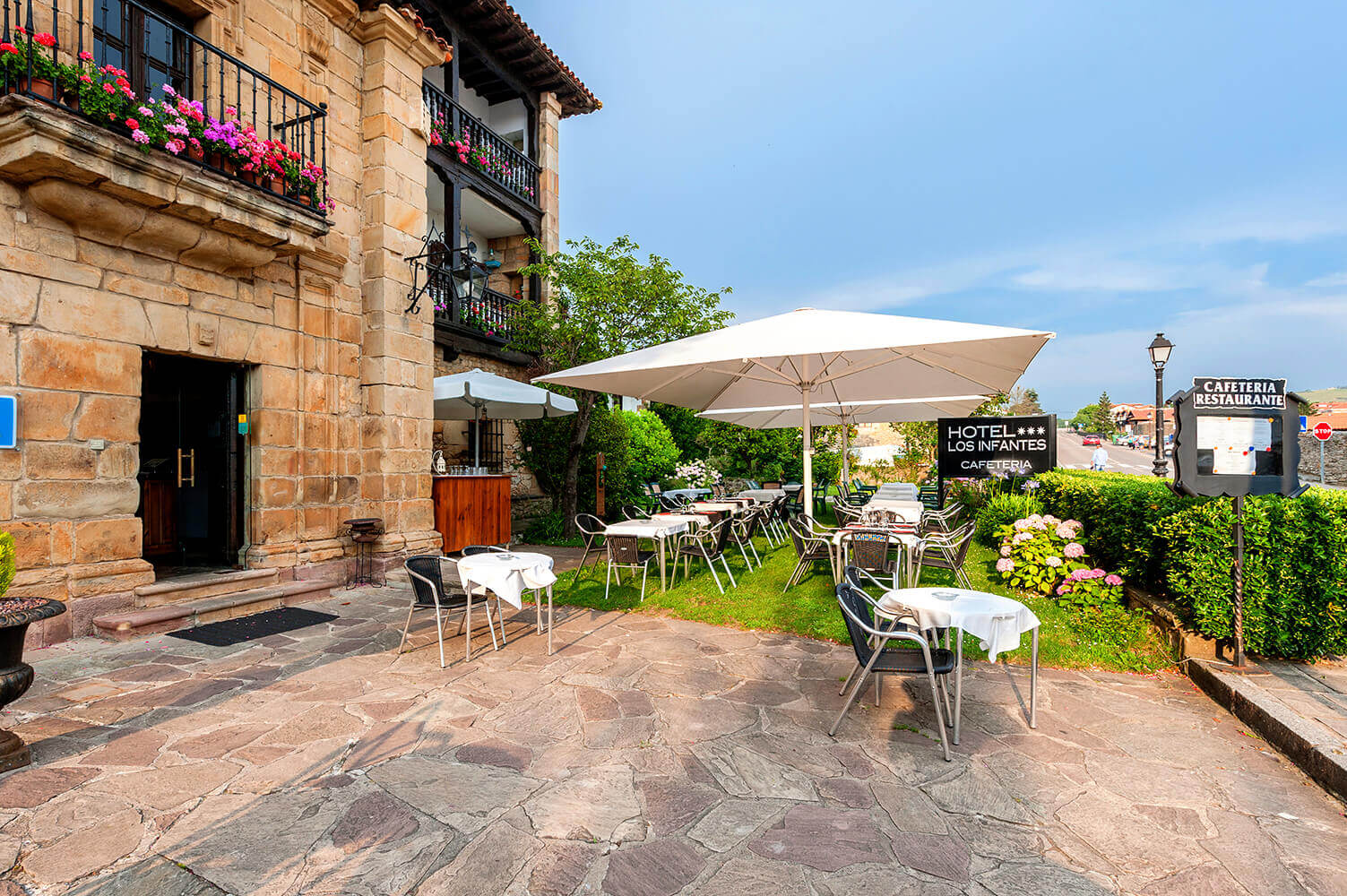
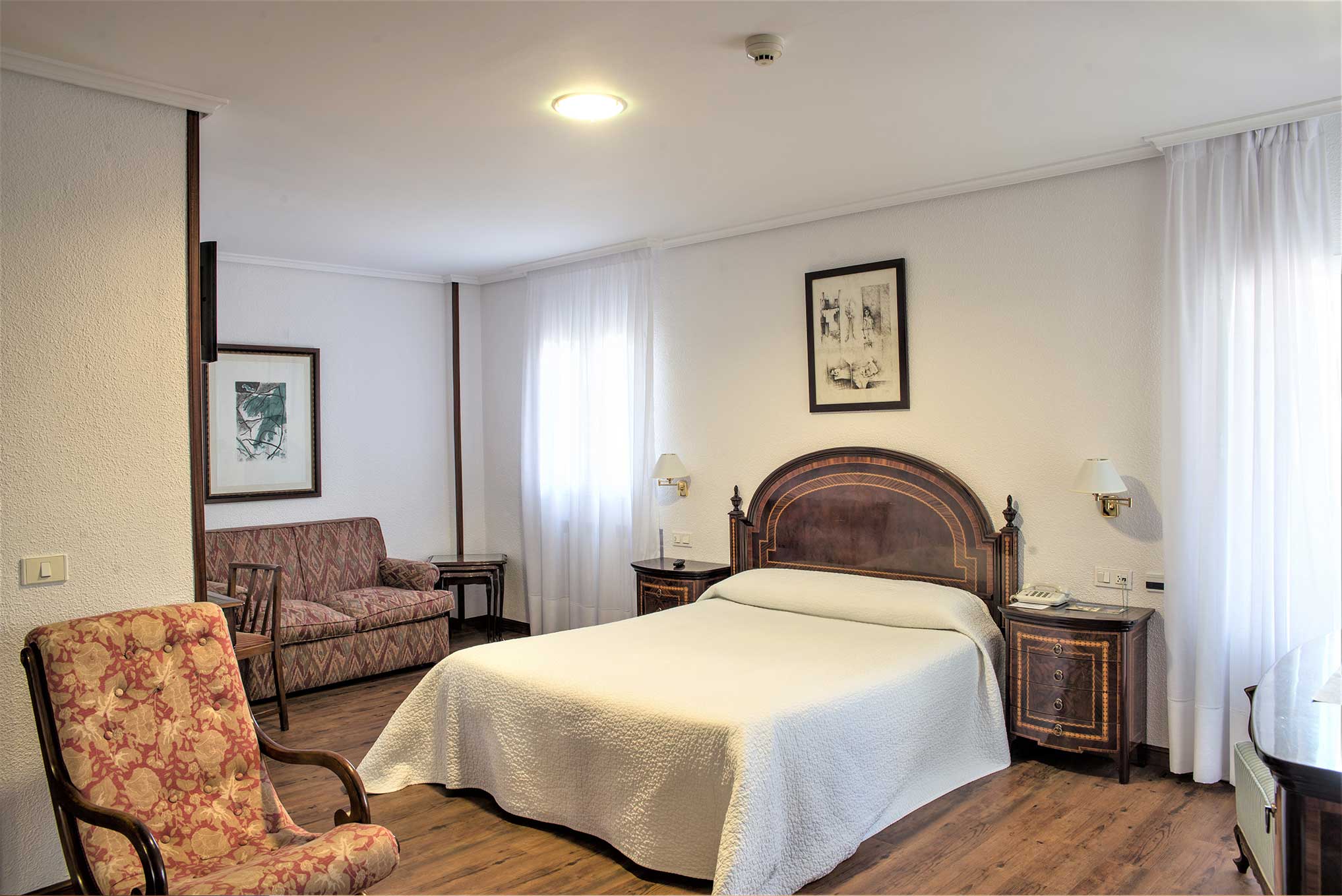
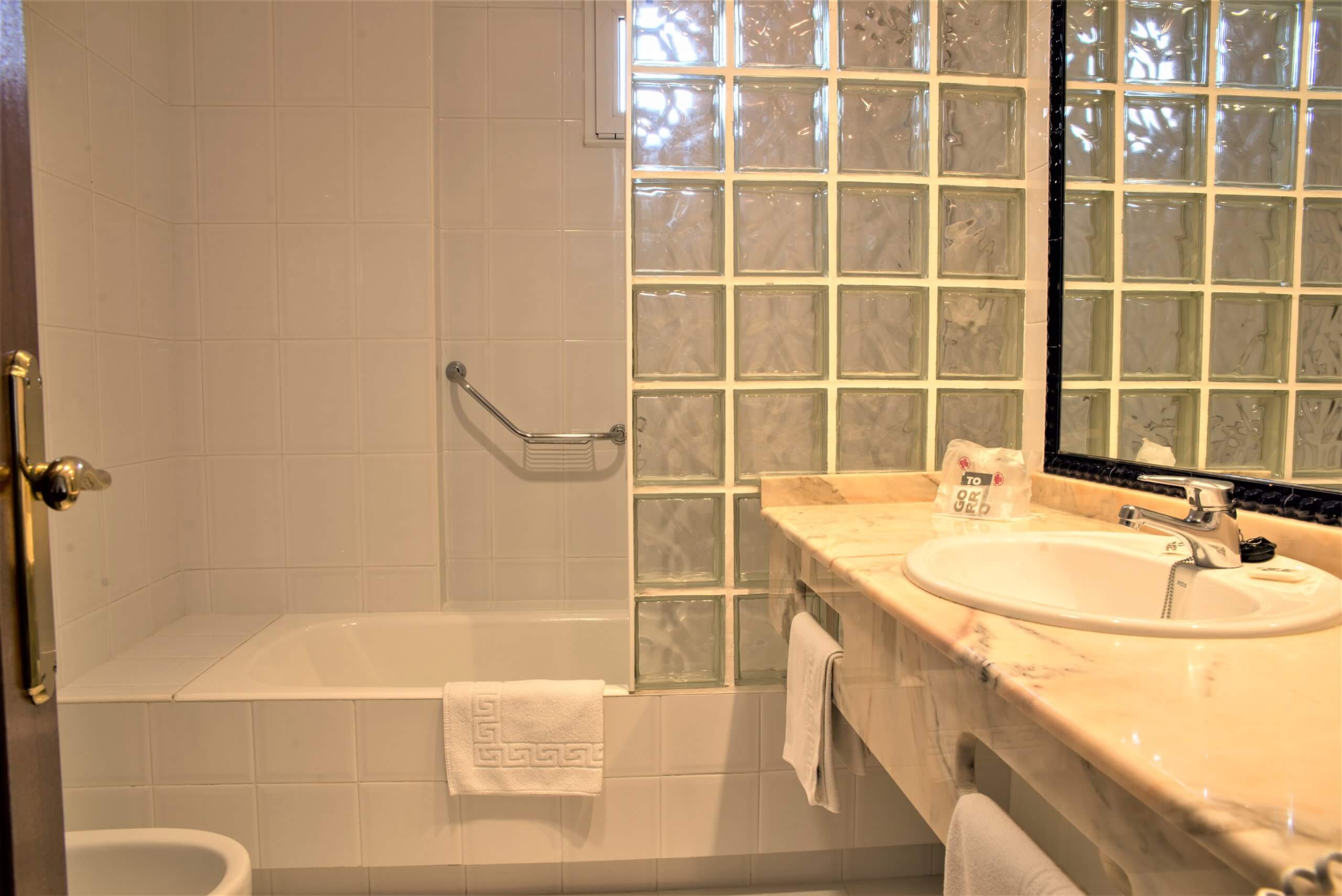
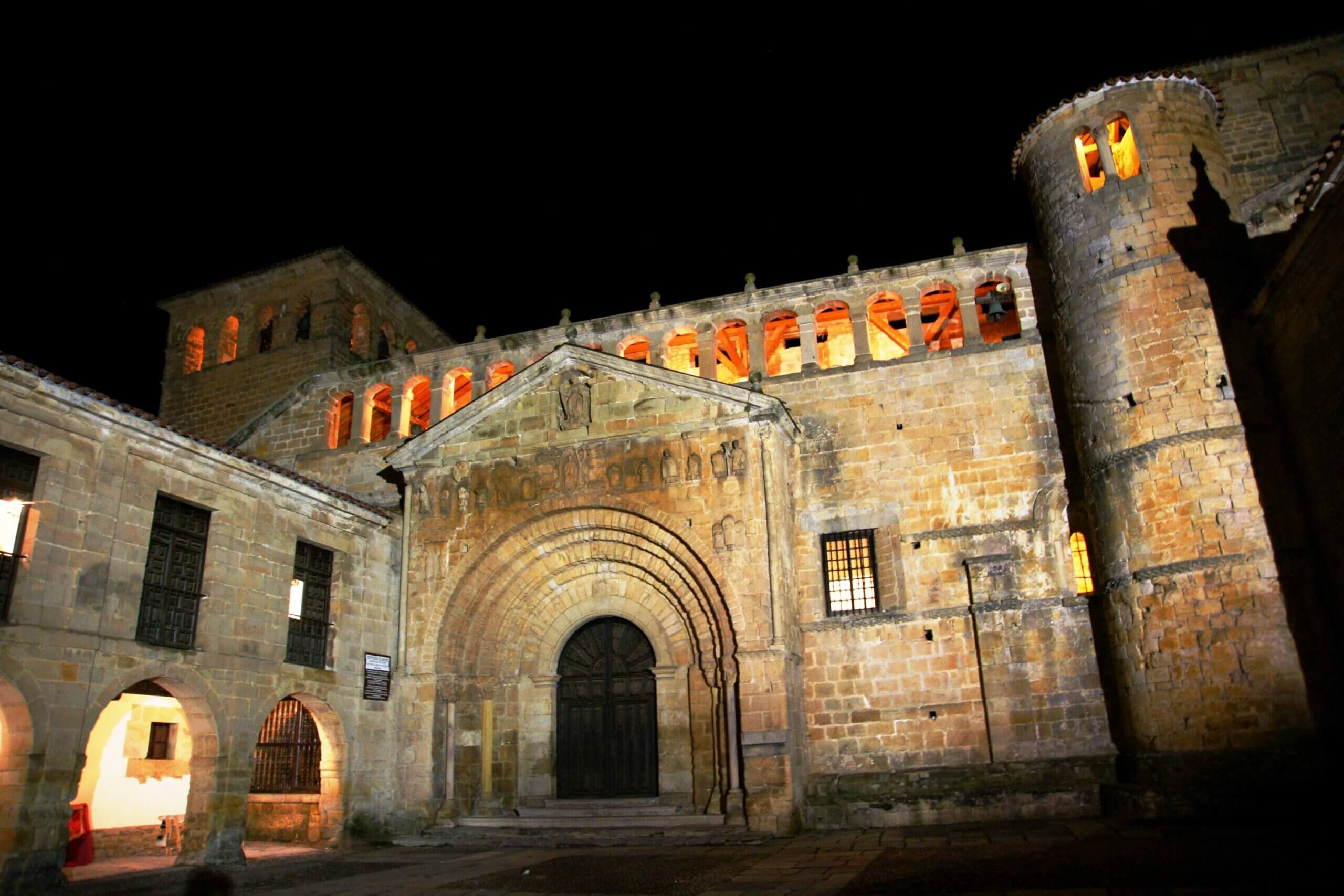
Palacio del siglo XVII-XVIII convertido en hotel en el centro de Santillana del Mar, Cantabria. Trasladado piedra a piedra y reconstruido en el año 1974. Estará rodeado por arte e historia en todos los espacios. Es un auténtico museo decorado con gusto exquisito. Las instalaciones cuentan con preciosos salones y zonas comunes, un magnífico restaurante con chimenea central y otro capacitado para grupos, cafetería, terraza-jardín con vistas a la imponente fachada principal y WIFI gratuito en todos los espacios. Los desayunos buffet son muy completos con plancha caliente incluida y el personal siempre le atenderá con una gran sonrisa.
El hotel cumple con todos los requisitos de seguridad e higiene. Cuenta con el sello de “Hostelería Segura”, otorgado por Hostelería de España, a través de la Asociación de Hostelería de Cantabria. Se han formado a este respecto todos los trabajadores de esta empresa, por lo cual, tranquilidad y seguridad estarán de la mano acompañándole en sus vacaciones.
Sus habitaciones a elegir
Habitación Doble
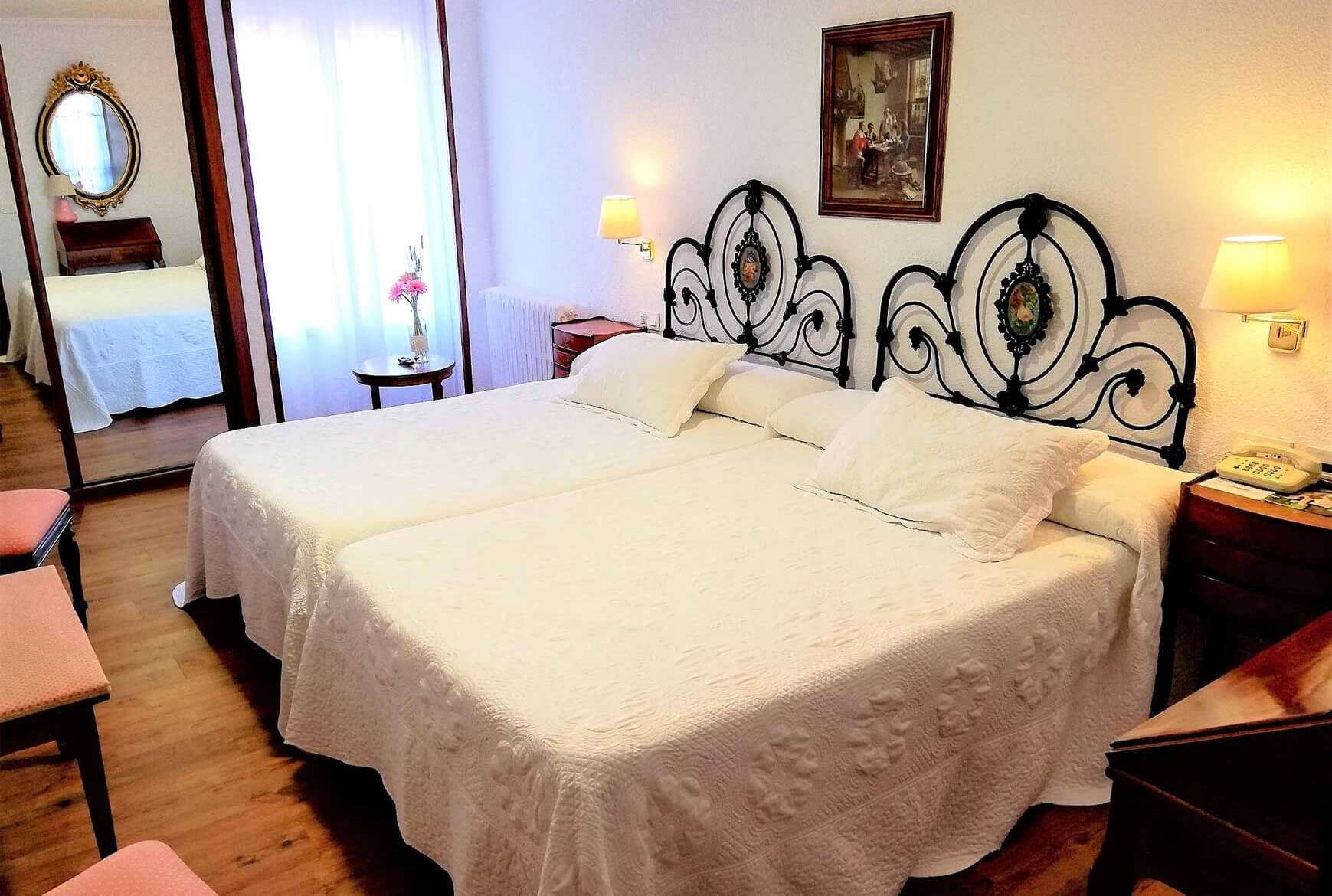
Estarás rodead@ por antigüedades en todo momento, cargad@ de historia y con unos muebles de época extraordinarios, tu estancia será una experiencia inolvidable.
Habitación Doble con Balcón
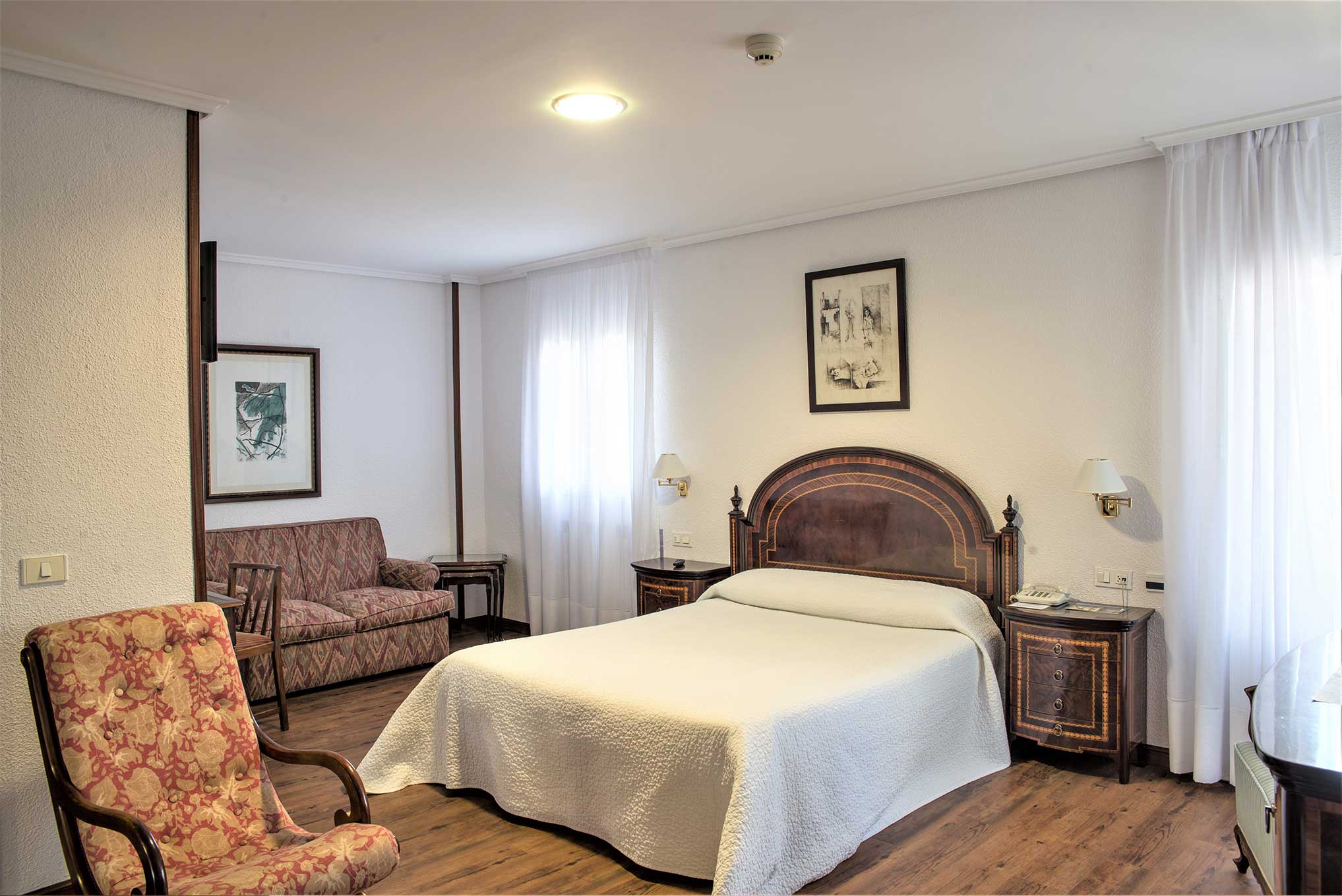
Habitaciones dobles con pequeño balcón del Hotel Museo Los Infantes, Santillana del Mar, Cantabria. Tu estancia será una experiencia inolvidable.
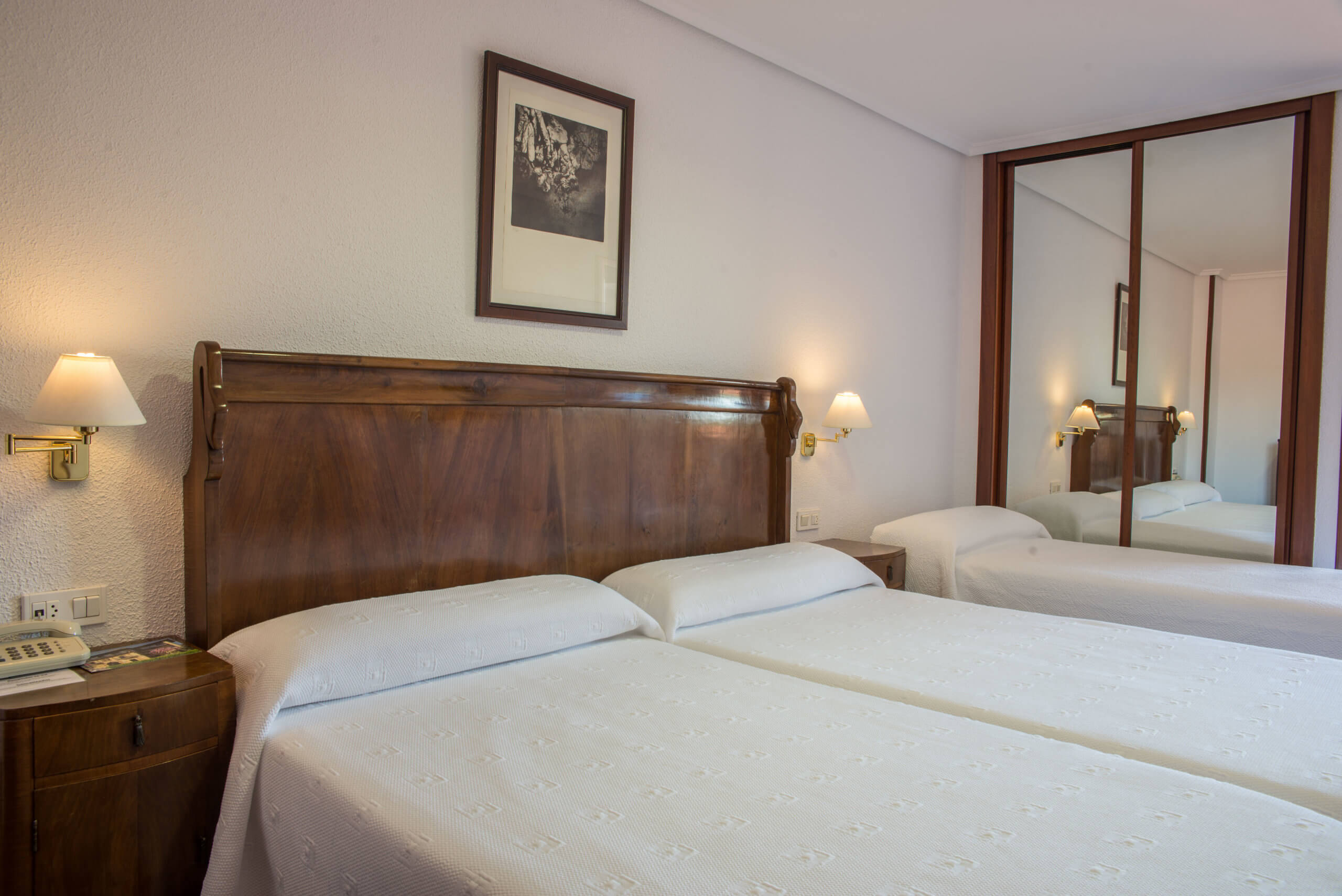
Habitación Doble Supletoria
Esta habitación doble dispone de una tercera cama supletoria. Ademas de las 2 camas de matrimonio grandes. Ideal para hasta 3 personas.
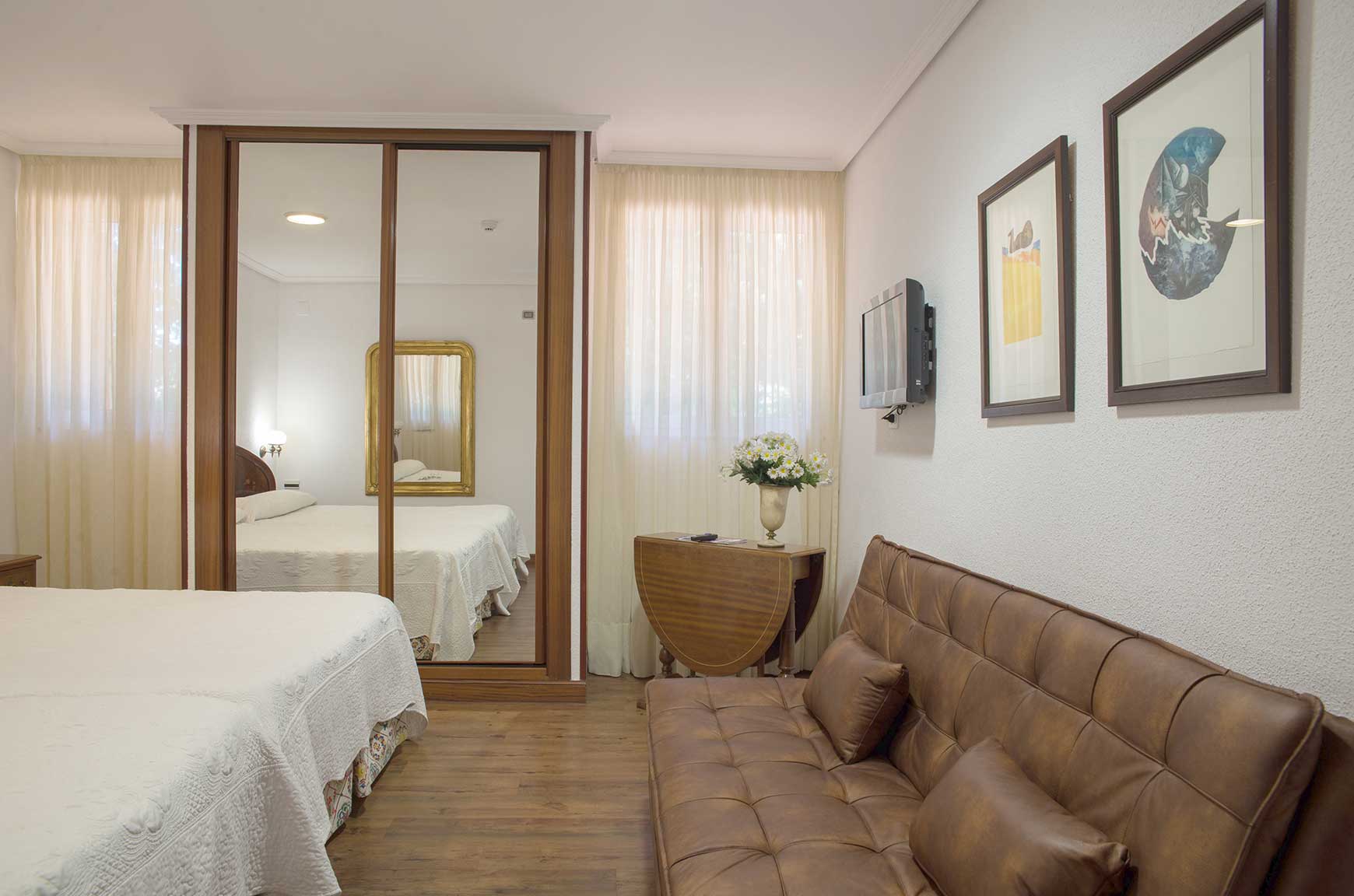
Habitación Familiar
Las habitaciones familiares en el Hotel en el centro de Santillana , están compuestas por dos camas grandes. Ideales para dos adultos y dos niños, compartiendo según su propia preferencia.
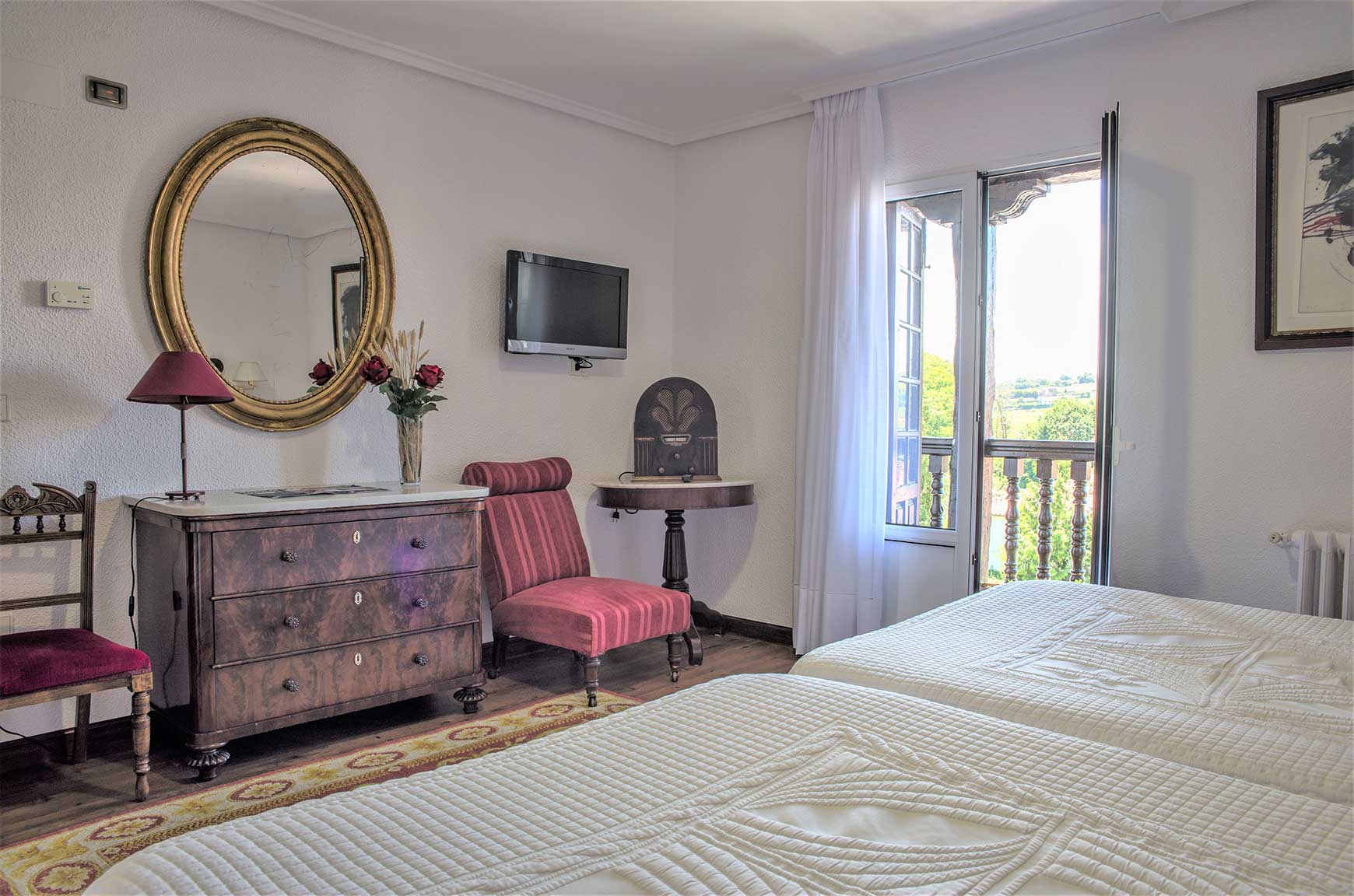
Habitación Junior Suite
Junior Suite habitación superior en Santillana del Hotel Los Infantes con gran balconada a la fachada y muy amplia. Tu estancia será una experiencia inolvidable.
Opiniones de
Clientes
Maravilloso (Familia de Extremadura)
Recomendaríamos este hotel sin lugar a dudas. Por muchos motivos, su enclave privilegiado, la decoración del mismo clásica con un gusto exquisito. Se puede disfrutar de tanto la terracita como de unos sillones comodísimos en el hall ( que colección de relojes!) y un saloncito en la primera planta para relajarse… Pero lo mejor de todo sin duda es el personal atento en todo momento, con un trato cercano y maravilloso. Te proponen un montón de actividades y te facilitan las entradas para el lugar que les solicites con la ventaja de tener un tanto por ciento de descuento al gestionarlas a través del hotel, Gracias!!.
Un acierto (Pareja)
Me sorprendió desde el principio. Edificio bonito, amplias y cómodas habitaciones, buen menú en el restaurante, desayuno abundante y de calidad, combinados buenísimos…, pero esto, siendo genial, no es lo mejor del hotel. Su gente, sus trabajadores hacen que te sientas en casa desde que llegas hasta que te vas. Sin duda alguna, volveré cuando vuelva a Cantabria.


Oferta de Hotel en Santillana por el día de San Jorge en Castilla y León, día del libro con el escritor David López
Éste sábado 23 de abril, el escritor David López, estará en el Hotel Museo Los Infantes firmando y vendiendo sus libros en directo.El hotel en colaboración con David ha creado una oferta especial para todas aquellas personas de Castilla y León que se quieran escapar a...
OFERTA PRIMAVERA: ALOJAMIENTO 55€ Y EL DESAYUNO BUFFET GRATIS PARA DOS PERSONAS
hotel en santillana ofeta hotel los infantes hotel museo hotel en santillana del mar
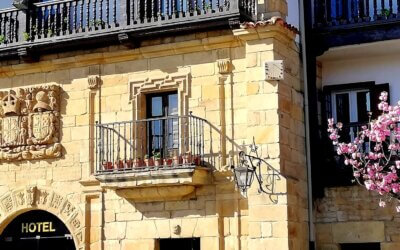
OFERTAS DEL HOTEL MUSEO LOS INFANTES, SU HOTEL EN SANTILLANA DEL MAR
Las tarifas de esta web son ya más económicas de las que pueda encontrar en cualquier medio. Consulte cualquier web y podrá ver que Aquí obtendrá la mejor tarifa y disfrutará de mejores ofertas, pero además podrá obtener un descuento extra en las siguientes...
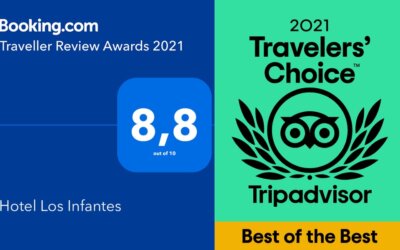
Premios y reconocimientos obtenidos por el Hotel Museo Los Infantes, tu hotel en Santillana
premios del hotel museo los infantes tu hotel en santillana del mar
Todo lo que le ofrecemos...
Ambiente Acogedor y Profesional
Alquiler de Bicicletas Eléctricas de Montaña (A Consultar)
Todas las Medidas de Seguridad e Higiene
Habitaciones Confortables
Amplias Zonas Comunes
Asesoramiento Turístico
Ordenador de Sobremesa
Terraza - Jardín
Servicio de Lavandería
Aparcamiento para Bicicletas
Descuento en Venta de Entradas
Wi-fi Gratuito en todas las Instalaciones
Información sobre el Aparcamiento
El hotel está justo en la zona limítrofe entre el casco antiguo y la zona de aparcamiento de la villa, lo cual hace que sea muy cómodo poder llegar al hotel, descargar el equipaje e ir a aparcar el coche. El hotel dispone de una plaza para carga y descarga en el mismo jardín del hotel (frente a un pequeño mandarino). Desde el momento en el cual aparque el coche, puede olvidarse completamente de él para, a partir de este momento, desplazarse caminando. La entrada a la villa está a escasos 50 metros caminando desde la puerta del hotel. El hotel dispone de unas pocas plazas gratuitas que se ocupan por orden de llegada, no se pueden reservar. De igual modo alrededor del hotel existen diversos aparcamientos públicos o privados en los cuales, por poco precio, pueden aparcar el coche sin problemas. La única recomendación a este respecto es que pregunten en la recepción del hotel antes de aparcar el coche, especialmente tengan precaución con el aparcamiento privado que está enfrente del hotel ya que, aunque no haya vigilante nocturno (por el día suele haberlo), pueden llegar a cobrar hasta 10-12€ por la noche (se lo cobrarían al día siguiente). Justo al lado de ese parking, es donde están las plazas gratuitas del hotel, delimitadas con los carteles pertinentes. Por favor rogamos que consulten.
Asesoramiento Turístico
Le informamos que desde el hotel podemos asesorarle cada día para que planifique sus visitas. Una recomendación importante es que no adquiera entradas para visitar ningún lugar sin tener en cuenta el factor clima, y eso, por experiencia, es mejor verlo in situ, el mismo día por la mañana, e igualmente le ofreceremos alternativas y múltiples opciones de visita. Además, en el hotel podrá adquirir entradas para prácticamente todos los lugares a visitar con un descuento del 10%. Las entradas disponibles son del Parque de Cabárceno, Teleférico de Fuente Dé (Picos de Europa), Cueva de “El Soplao” y el Laberinto de Villapresente, entre otras. No se disponen de entradas para el Museo de Altamira ni para el Zoo de Santillana. Santillana del Mar, aparte de su atractivo singular, está ubicada en el centro de Cantabria (desde donde podrá visitar todo, a máximo una hora y media de viaje en coche).
Los Desayunos Buffet
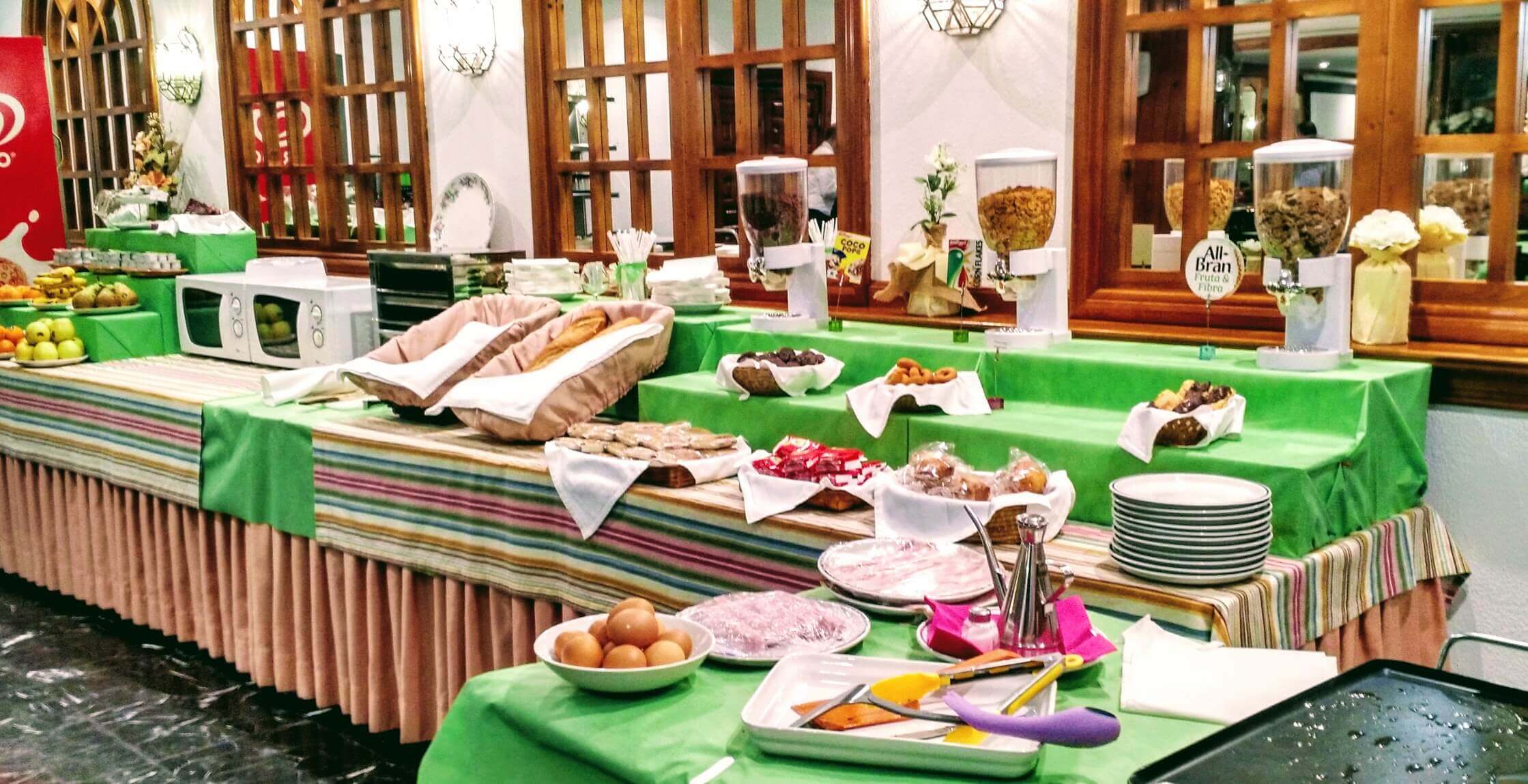
El desayuno del hotel es buffet. Cuenta con una amplia gama tanto de dulces como de salados y plancha caliente. Cuenta con bollería variada: croissants, napolitanas de chocolate, crema… y otros variados caseros como bizcocho, tortitas de chocolate... Incluye así mismo fruta variada de temporada, yogur, cereales, tostadas, café, leche, zumo de naranja e infusiones variadas. También cuenta con salados tipo revuelto de tortilla casero, tortilla de patata, tortitas de chocolate, salchichas, bacon, jamón york, tomate triturado… y por supuesto lo que usted requiera recién hecho en la plancha caliente. En definitiva, un desayuno muy completo. Si hace bueno, le recomendamos que indiquen al personal asistente que les suban el mismo a las mesas del jardín. Es Rosa quien tras mucho esmero y años de contacto con los clientes, ha ido progresivamente mejorando la calidad del desayuno tanto a nivel producto como en servicio. Rosa está casada con Mario, uno de los propietarios quien, junto con su hermano Fernando, regentan ya como tercera generación este precioso hotel de Santillana.
En el casco de Santillana
El hotel dispone de una plaza para carga y descarga en el mismo jardín del hotel (frente a un pequeño mandarino). Desde el momento en el cual aparque el coche, puede olvidarse completamente de él para, a partir de este momento, desplazarse caminando. La entrada a la villa está a escasos 50 metros caminando desde la puerta del hotel.
En el centro de Cantabria
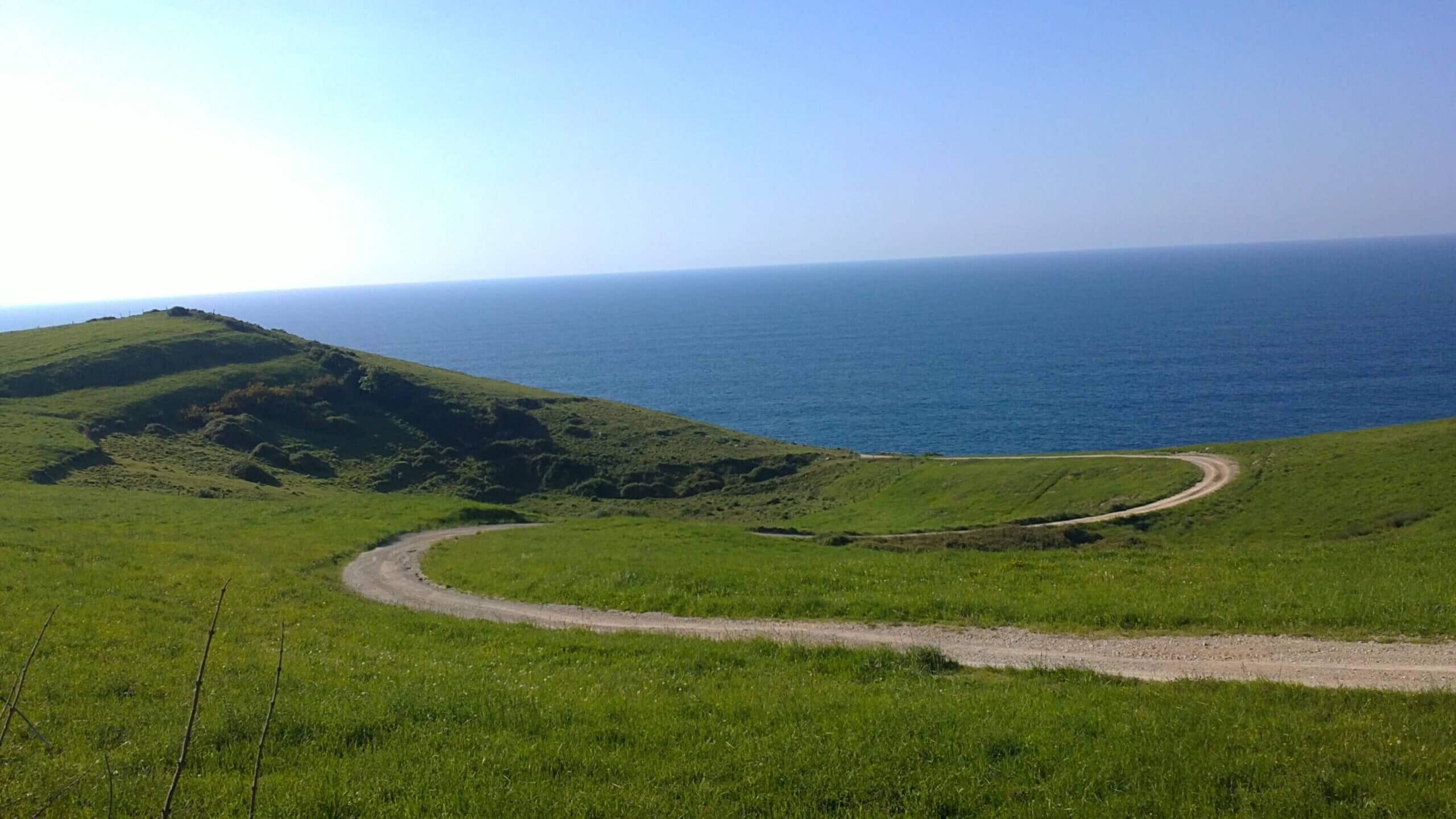
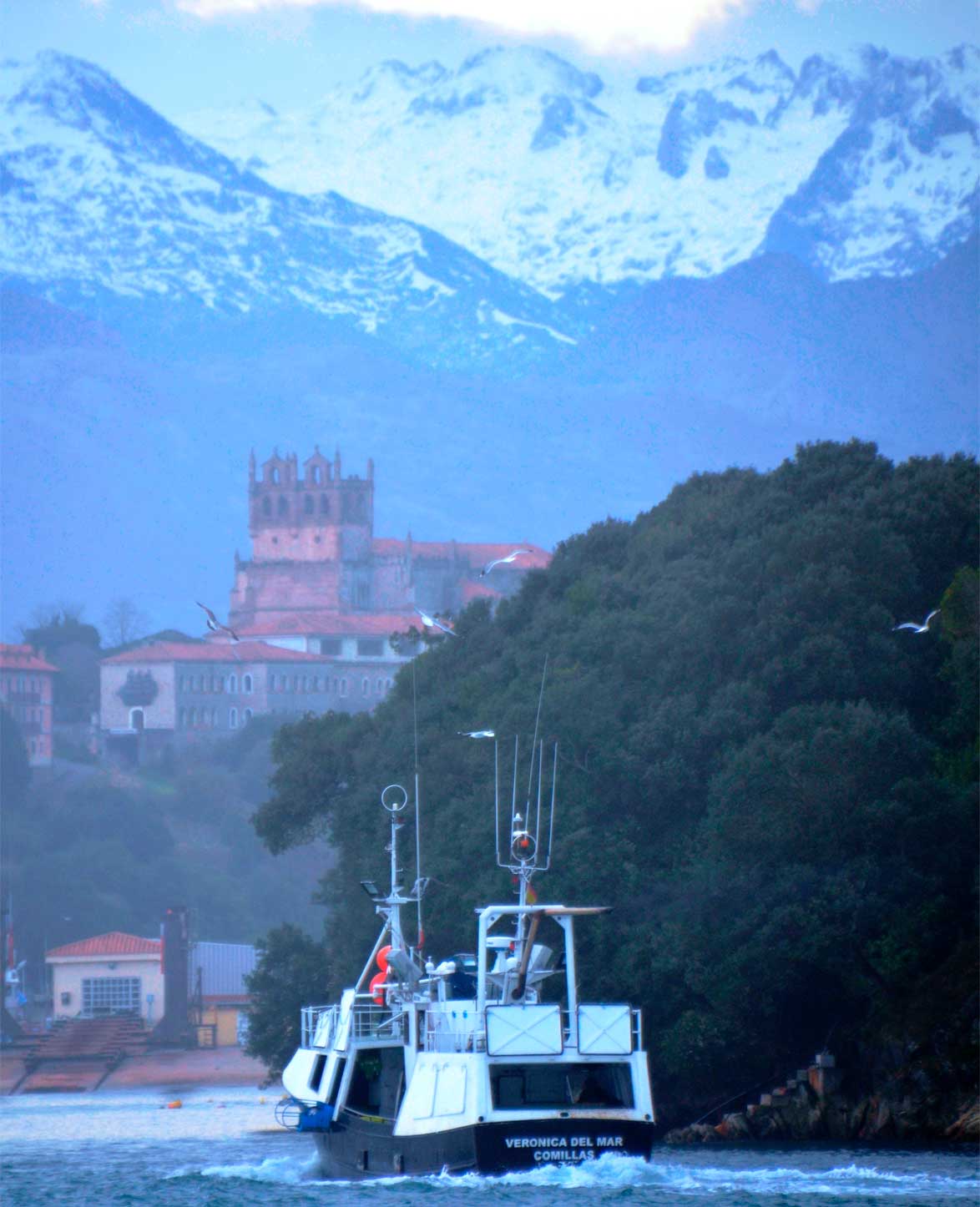
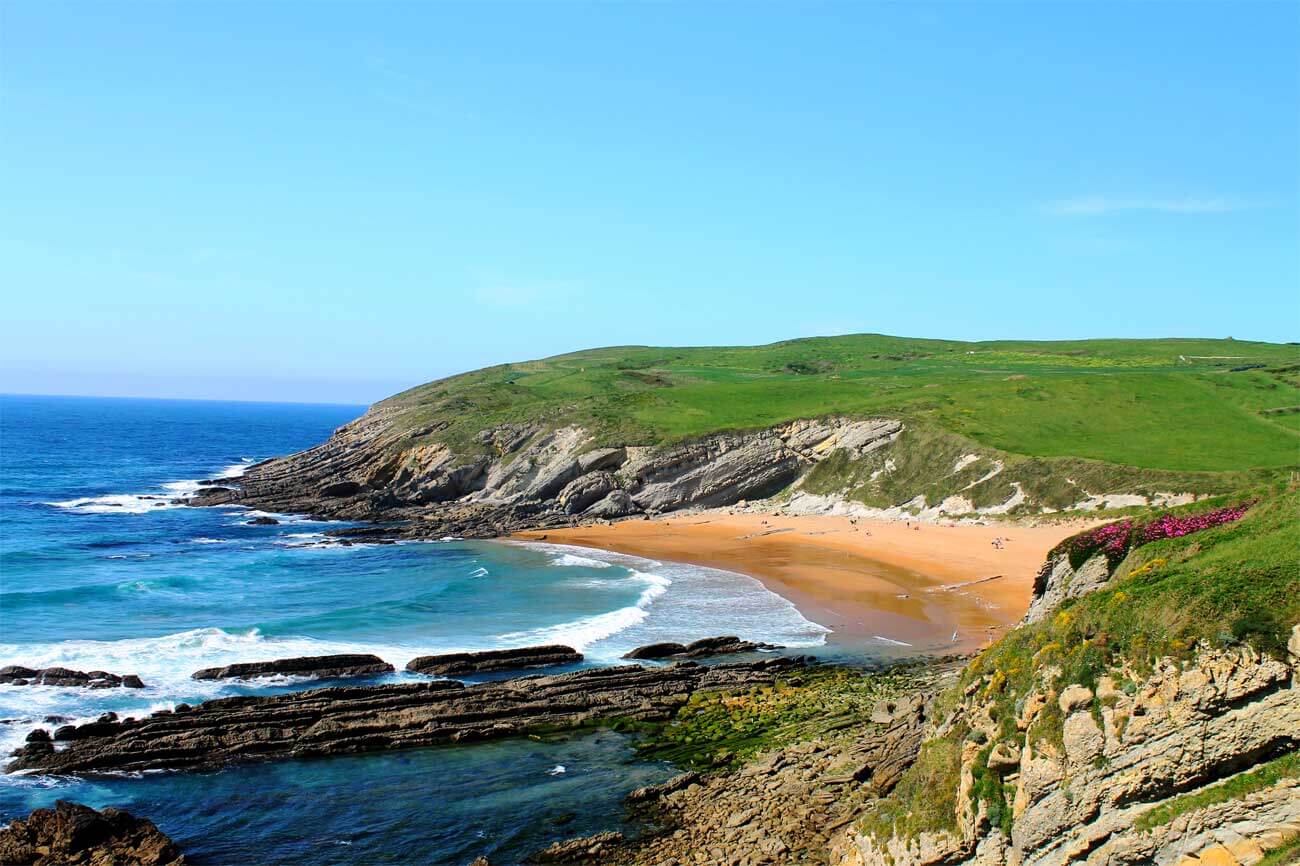
Es un privilegio alojarse en Santillana por muchos motivos, uno de los principales es su ubicación. Está en el centro de Cantabria y desde Santillana, todo queda a máximo una hora y media de distancia (caso de Picos de Europa), todos los demás destinos de visita quedan por lo regular a media hora de desplazamiento. Playas, San Vicente de la Barquera, Comillas, Suances, Santander, Parque de Cabárceno, Cuevas de Altamira, Santoña, Laredo, Castro Urdiales… Lo mejor es asesorarse bien en recepción. Siempre estamos dispuestos a ayudarle con una gran sonrisa y excelentes recomendaciones. Recuerde de no comprar entradas con antelación pues muchas de ellas se pueden adquirir directamente en el hotel y con descuentos. Además es mejor esperar a ver como hace climatológicamente para decidir qué hacer. Es bueno tener la mente abierta y estar dispuesto a cambiar de planes si el clima lo requiere.
Todas las Medidas de Seguridad Sanitaria
El hotel cumple con todos los requisitos a este respecto. Cuenta con el sello de “Hostelería Segura”, otorgado por Hostelería de España, a través de la Asociación de Hostelería de Cantabria. Se han formado a este respecto todos los trabajadores de esta empresa, por lo cual, tranquilidad y seguridad estarán de la mano acompañándole en sus vacaciones.
Mejor tarifa garantizada
El hotel debe pagar altas comisiones a todas las páginas web y agencias para su promoción. Esto encarece el coste de la habitación. Siempre será más económico reservar directamente en el hotel. Si tiene usted una reserva , consulte la tarifa del hotel y luego decida, Muchas veces, si no es el precio, lo que puede conseguir gratuitamente es el desayuno (dependiendo de la temporada, en agosto por ejemplo es posible muchos días) o un "upgrade", que es pasarse a un nivel superior de habitación por el mismo precio. Siempre reserve directamente y saldrá beneficiad@.
Amplias zonas nobles
Este magnífico hotel está diseñado para disfrutar. Su construcción ha sido basada en eso, aprovechar las instalaciones para el mayor disfrute del cliente. Puede verlo admirando los preciosos y acogedores rincones destinados a simplemente estar. Una de las joyas, sino es la principal, es el salón de la primera planta. Decorado con antigüedades, muy amplio y con suelo de madera, preciosas alfombras y comodísimos sofás, te invita a leer un libro o simplemente sentarte a sentir la especial atmósfera. Además, este hotel de Santillana cuenta con otro saloncito en la segunda planta, una biblioteca en la primera planta y un precioso jardín junto a la preciosa fachada principal. El hermoso vestíbulo le acoge entre dos magníficos arcos de sillería tras los cuales, encontrará un hall con cómodos sillones donde descansar.
Colección de Antigüedades
Si algo caracteriza a este precioso hotel es la cantidad de antigüedades que alberga. En especial hay una extensa colección de relojes antiguos por todos los espacios comunes. Las antigüedades están en cada espacio, desde los comedores, hasta las habitaciones, pasando por salones, recepción etc. Si te gustan las antigüedades y los hoteles con un encanto especial, este es tu hotel en Santillana.
Compra de Entradas
Le informamos que desde el hotel podemos asesorarle cada día para que planifique sus visitas. Una recomendación importante es que no adquiera entradas para visitar ningún lugar sin tener en cuenta el factor clima, y eso, por experiencia, es mejor verlo in situ, el mismo día por la mañana, e igualmente le ofreceremos alternativas y múltiples opciones de visita. Además, en el hotel podrá adquirir entradas para prácticamente todos los lugares a visitar con un descuento del 10%. Las entradas disponibles son del Parque de Cabárceno, Teleférico de Fuente Dé (Picos de Europa), Cueva de “El Soplao” y el Laberinto de Villapresente, entre otras. No se disponen de entradas para el Museo de Altamira ni para el Zoo de Santillana. Santillana del Mar, aparte de su atractivo singular, está ubicada en el centro de Cantabria (desde donde podrá visitar todo, a máximo una hora y media de viaje en coche).
Personal Impecable
Todo el personal de cara al público habla inglés, es muy amable y siempre tendrá una sonrisa. La mezcla entre ambiente profesional y familiar, es un equilibrio que le permitirá sentirse como en casa pero con los servicios de un hotel. Es probable que lo más destacado del hotel sea precisamente el exquisito trato personal. Todos, sin excepción, le saludarán al pasar y todos estaremos encantados de ayudarle en cualquier cosa que pueda necesitar, desde asesorarle donde aparcar, hasta comprarle entradas de las principales atracciones o asesorarle que hacer cada día, restaurantes donde comer, etc. Cualquier cosa que usted necesite.
Limpieza
Una de las características más destacables del hotel es la limpieza. El personal que acomete esta tarea está compuesto por a Marta, Miha, Raditza e Irelys. Todos ellos llevan trabajando más de 15 años en el hotel. Marta lleva concretamente más de 30. Es suyo el mérito de obtener siempre las mejores puntuaciones on line por parte de los clientes. Calificaciones de 10 suele repetirse por norma en este apartado y es que, la limpieza del lugar donde duermes, te duchas y comes es fundamental. Todos ellos, trabajadores responsables, hacen la mejor labor que ha asegurado y asegurará su puesto en esta empresa.
SU HOTEL EN SANTILLANA DEL MAR, CANTABRIA
ENTRADAS CON DESCUENTO!
Parque de Naturaleza de Cabárceno, Picos de Europa, Las Cuevas del Soplao, el Laberinto de Villapresente y muchas más con descuento. Consulte más detalles directamente en la recepción del hotel.
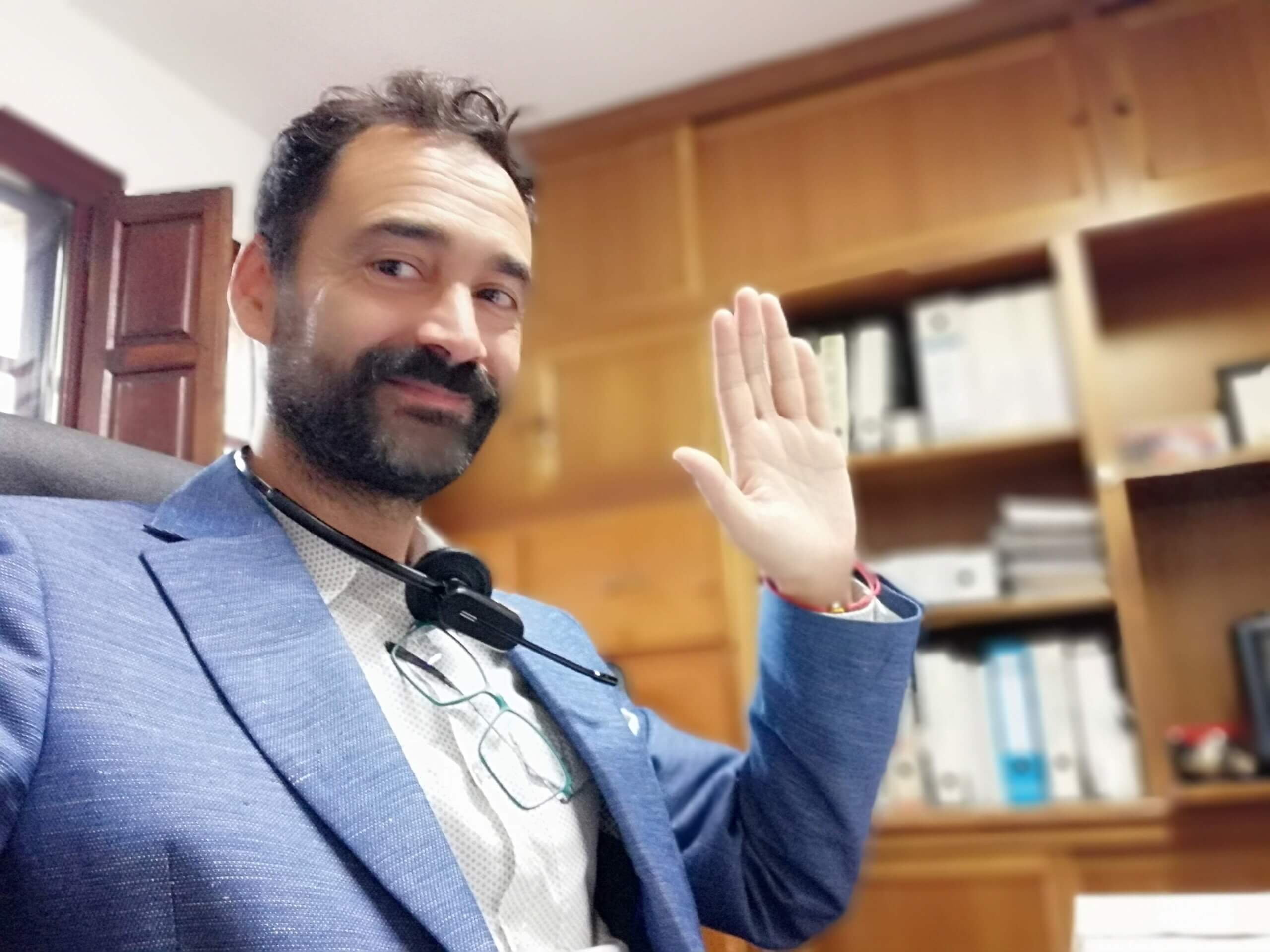
Fernando Sánchez Mesones
Director - Siempre a su disposición
0 comentarios
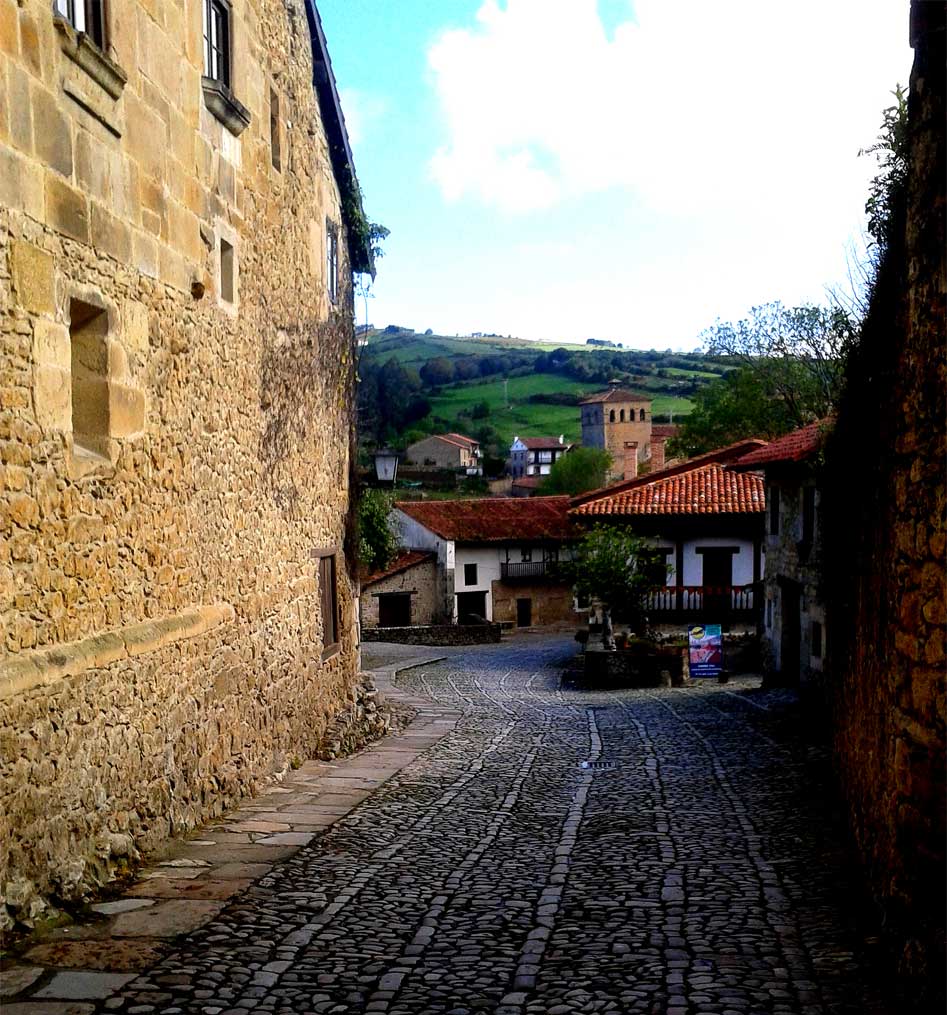

0 comentarios